Custom Home Saunas: Types, Cost Factors & What to Plan Before You Build
A home sauna used to be a luxury reserved for spas and resorts. Today, it is one of the most requested features in high-end Central Florida remodels — a private space to unwind, recover, and take a little of the wellness-retreat feeling home with you. But "add a sauna" covers a lot of ground: the type you choose, where it goes, and how it is built all shape both the experience and the budget.
This guide walks through the sauna types, the factors that actually drive cost, and the planning decisions worth making before the first wall goes up — so you can have the conversation from an informed place.
The Main Types of Home Saunas
Most home saunas fall into three families, and the right one depends on how you want to feel and how you plan to use the space.
Traditional (Finnish) Saunas
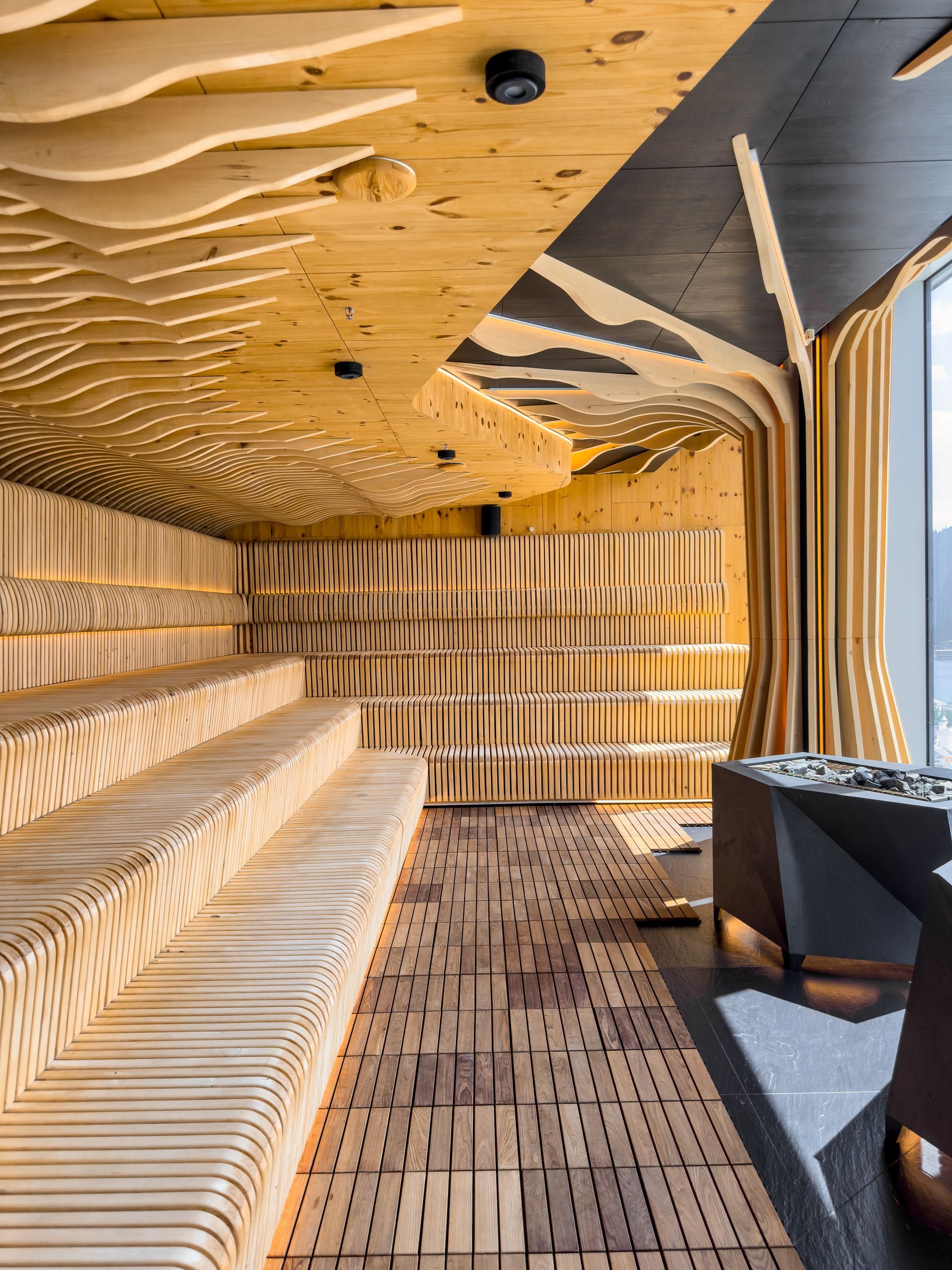
A traditional sauna uses an electric or wood-burning heater to warm a bed of stones, producing dry heat in the 150–195°F range. Pour water over the stones, and you get a burst of steam (löyly) and a more intense, humid heat. Purists love the ritual and the deep, enveloping warmth.
Traditional saunas need a dedicated heater, proper ventilation, and heat-tolerant wood, such as cedar or hemlock throughout.
Infrared Saunas
Infrared saunas warm your body directly with infrared panels rather than heating the air, so they operate at a gentler 120–150°F. They heat up faster, use less power, and many people find the milder, dry environment easier to sit in for longer sessions. Infrared is often the easiest type to integrate into an
existing home. BittnerSweet Co does infrared sauna installs as part of its custom wellness work.
Steam Rooms
Technically a cousin rather than a true sauna, a steam room delivers moist heat at around 110–120°F with near-100% humidity. It calls for a fully waterproofed, tiled enclosure and a dedicated steam generator, which makes it more involved to build — but for many homeowners, the spa-like humidity is exactly the point.
What Actually Drives the Cost of a Home Sauna
There is no single price for a custom sauna, because the cost tracks the decisions you make. These are the factors that move the number the most:
- Size and capacity: a one- to two-person cabin is far simpler than a room built for four to six.
- Heat source: infrared panels, an electric heater, or a wood-burning stove, each carrying different equipment and installation costs.
- Materials: the species and grade of wood (cedar, hemlock, basswood), glass fronts, benching, and lighting all scale the finish.
- Location and site work: a garage or spare room needs less than carving a sauna into a bathroom remodel or building an outdoor structure.
- Electrical and ventilation: many traditional heaters need a dedicated 240V circuit, and every sauna needs proper airflow and moisture control.
- Custom vs. prefab: a kit dropped into a closet is one thing; a room designed and built to your space, with the tricky footprints most builders turn down, is another.
What to Plan Before You Build
A little planning up front prevents the expensive surprises later. Before you commit, think through:
- Where it lives: a spare bedroom, a bathroom remodel, a home-gym addition, or an outdoor build each change the plumbing, electrical, and permitting picture.
- Power: confirm your panel can support the heater you want; traditional heaters commonly need a dedicated 240V circuit.
- Moisture and ventilation: heat and humidity have to be managed so they never become a mold or rot problem, especially in Florida's climate.
- Permits: many Central Florida municipalities require electrical and building permits for a sauna install.
- How it connects to the rest of the home: a sauna often lands best as part of a larger wellness plan alongside a bathroom or recovery space.
Building It as Part of a Bigger Wellness Vision
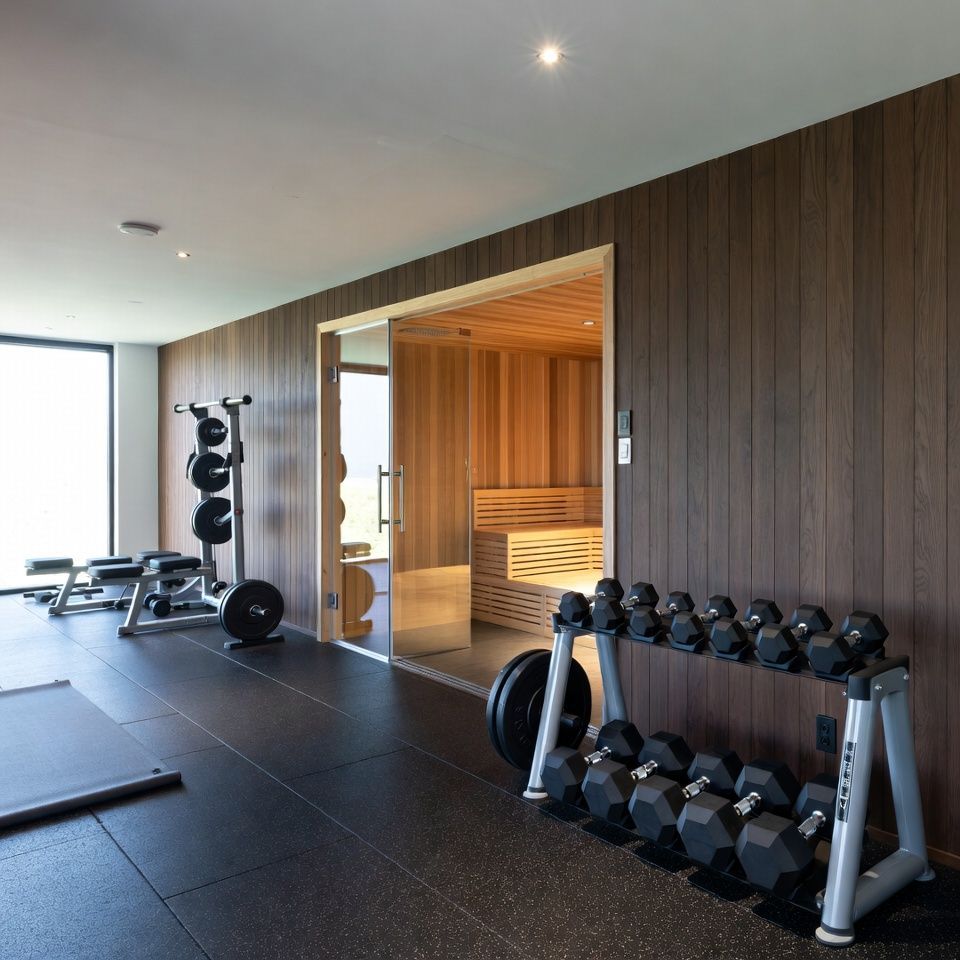
A sauna rarely stands alone. Many homeowners pair it with a spa-style bathroom, a cold-plunge or recovery corner, or a dedicated home gym so the whole space works together. That is the heart of BittnerSweet Co's custom wellness remodels — designing sauna, steam, and recovery features that fit your home's footprint and your daily routine, built with the same craftsmanship as the rest of the renovation. If a full bathroom is part of the plan, it can be designed around the sauna from day one rather than bolted on later.
Frequently Asked Questions
How much does a custom home sauna cost in Central Florida?
It depends on the type, size, materials, and where it is built — a compact
infrared cabin sits at the lower end, while a larger traditional or steam room
with custom finishes costs more. The biggest levers are heat source, size, and
site work. Call us for your free quote.
Infrared vs. traditional — which is right for my home?
Choose infrared if you want faster heat-up, lower power use, and a milder
environment that is easy to add to an existing home. Choose traditional if you
want the classic high-heat, steam-and-stone ritual and have room for a dedicated
heater and ventilation.
Do I need special electrical or permits for a home sauna in Florida?
Often, yes. Many traditional sauna heaters require a dedicated 240V circuit,
and most Central Florida municipalities require permits for the electrical and
build work. BittnerSweet can handle this as part of the project.
Final Thoughts
The right home sauna comes down to how you want the heat to feel and how the space fits into your home and budget. Whichever type you choose, working with a team that designs around your space — not a one-size-fits-all kit — makes the difference between a sauna that gets used and one that doesn't.
Ready to design your home sauna?
BittnerSweet Co designs and builds custom saunas, steam rooms, and wellness spaces across Greater Orlando, Maitland, and Winter Park.