How to Blend Indoor/Outdoor Living in Florida Kitchen Designs
Florida’s warm climate and scenic surroundings make indoor/outdoor living a natural choice for homeowners. Modern kitchen designs increasingly focus on creating spaces that flow seamlessly from interior cooking and dining areas to outdoor entertaining zones. This approach allows families to enjoy meals, relax, and entertain while taking full advantage of Florida’s year-round sunshine.
Integrating indoor and outdoor living requires careful planning, materials selection, and design choices that enhance both comfort and functionality. The following guide outlines key considerations for homeowners and designers aiming to create cohesive indoor/outdoor
kitchen experiences in Florida homes.
Key Takeaways
- Seamless transitions between indoor and outdoor kitchens improve flow and usability.
- Weather-resistant materials ensure durability in Florida’s humid and sunny climate.
- Open layouts and large openings enhance natural light and ventilation.
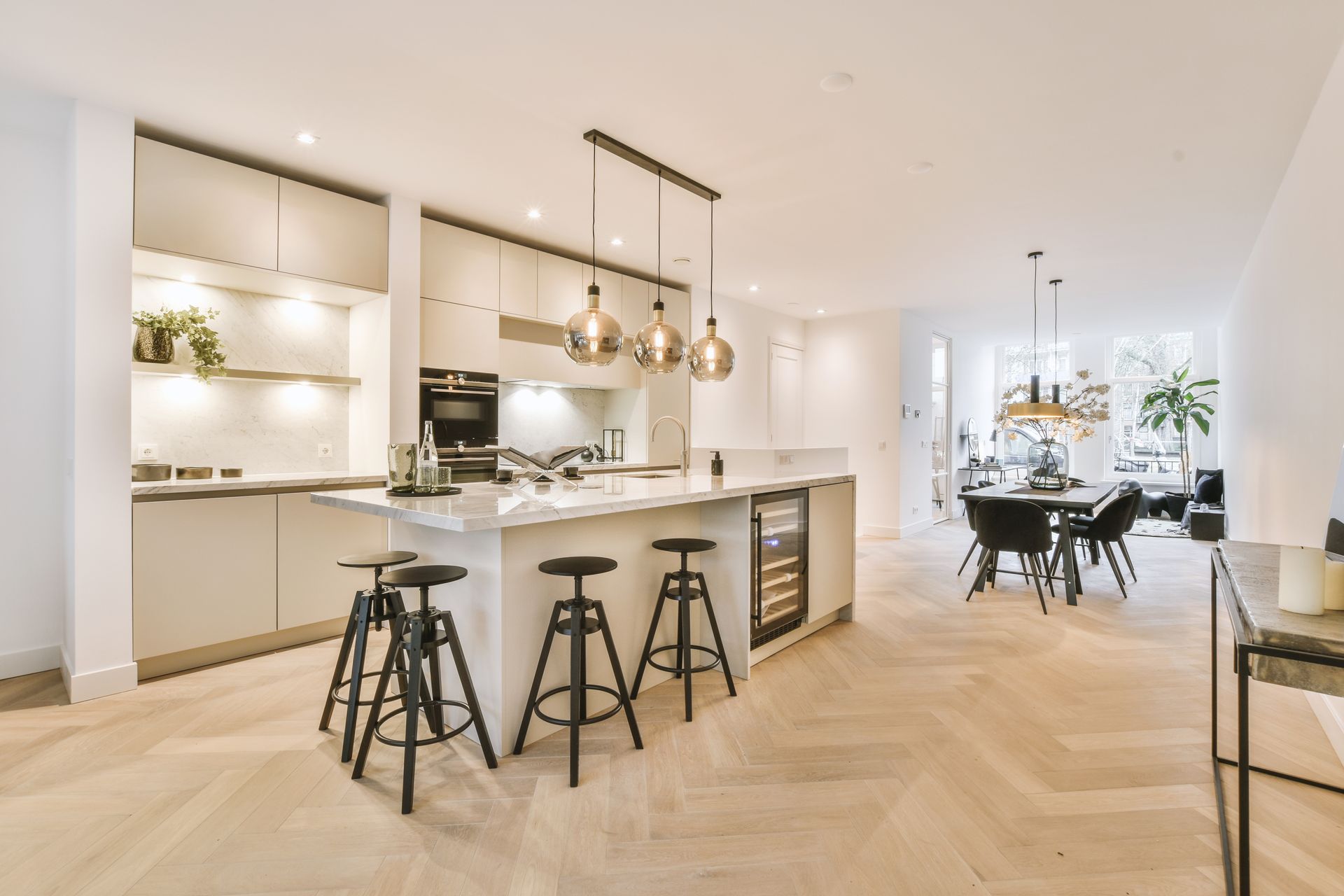
- Coordinated design elements, including flooring and cabinetry, create a unified aesthetic.
- Outdoor appliances and amenities extend kitchen functionality beyond interior walls.
- Proper planning for shade, seating, and climate control maximizes comfort.
Benefits of Indoor/Outdoor Kitchen Integration
Blending indoor and outdoor kitchens offers multiple lifestyle and practical advantages for Florida homeowners:
- Enhanced Entertaining: Guests can move freely between spaces, and cooks remain engaged with both indoor and outdoor areas.
- Increased Home Value: Thoughtful outdoor living areas are a desirable feature that appeals to buyers.
- Improved Ventilation: Cooking odors can dissipate outdoors, keeping interiors fresh.
- Natural Light: Large openings allow sunlight to brighten indoor spaces, creating a warm, inviting atmosphere.
By considering these benefits early in the design phase, homeowners can make decisions that optimize space, materials, and functionality.
Planning the Layout for Seamless Flow
A successful indoor/outdoor kitchen begins with an intentional layout that connects spaces while maintaining practicality. Key considerations include:
- Open Floor Plans: Remove barriers between the indoor kitchen and outdoor entertaining area. Sliding or folding glass doors are popular solutions.
- Aligned Work Zones: Position the outdoor cooking area near indoor prep zones to minimize movement and improve efficiency.
- Accessible Seating: Include seating both inside and outside, ensuring a comfortable dining experience for guests in either space.
Example Layout Features
| Feature | Purpose |
|---|---|
| Sliding Glass Doors | Create unobstructed visual and physical flow |
| Outdoor Countertops | Prep and serve meals near the grill |
| Covered Patio | Offer shade and protection from weather |
| Indoor Bar/Island | Connect indoor dining to outdoor spaces |
Designing layouts with flow in mind helps homeowners maximize usability and enjoyment while minimizing disruption between indoor and outdoor zones.
Choosing Materials for Florida’s Climate
Florida kitchens must withstand high humidity, frequent rain, and intense sun. Selecting materials that perform well indoors and outdoors is essential for durability and ease of maintenance.
Indoor/Outdoor Flooring Options:
- Porcelain or ceramic tile: Resistant to moisture and UV rays.
- Natural stone: Durable and adds a luxurious feel.
- Engineered wood: Treated to resist humidity and temperature fluctuations.
Cabinetry and Surfaces:
- Powder-coated aluminum or marine-grade stainless steel for outdoor cabinets.
- Composite countertops that resist staining, fading, and heat.
- Sealed wood or treated lumber for durability and aesthetic continuity.
Outdoor Furniture:
- Weather-resistant wicker, metal, or teak for dining chairs and seating.
- UV-protected fabrics to prevent fading and mildew.
Selecting compatible materials creates a cohesive look while reducing the risk of warping, rust, or other damage common in Florida’s climate.
Appliances and Amenities for Indoor/Outdoor Use
Outdoor kitchens are increasingly equipped with appliances and amenities that extend traditional indoor functionality. Some of the most popular options include:
- Built-in Grills: Gas or charcoal grills integrated into outdoor counters.
- Mini Refrigerators and Beverage Centers: Keep drinks and ingredients accessible.
- Ice Makers and Pizza Ovens: Add convenience for entertaining.
- Outdoor Sinks: Facilitate prep work and cleanup.
- Lighting and Ceiling Fans: Ensure evening usability and airflow.
When planning these elements, consider proximity to indoor appliances and prep areas. Electrical, plumbing, and gas connections should be pre-planned for safety and ease of use.
Design Strategies for Seamless Aesthetics
Blending indoor and outdoor kitchens is not just about layout—it is also about visual harmony. Strategies include:
- Matching Materials: Use the same or complementary flooring, countertops, and cabinetry indoors and outdoors.
- Consistent Color Palettes: Carry interior color schemes into outdoor spaces to unify the look.
- Lighting Continuity: Install complementary lighting indoors and outdoors for a cohesive ambience.
- Decorative Accents: Incorporate similar fixtures, backsplashes, or accessories to create design flow.
These strategies help the kitchen feel like a single, connected space rather than two separate areas.
Incorporating Shade and Weather Protection
Florida’s sunshine and occasional rainstorms make shade and weather protection essential for outdoor kitchen enjoyment. Popular options include:
- Pergolas or Covered Patios: Provide protection while allowing airflow and natural light.
- Retractable Awnings: Flexible coverage for sunny or rainy days.
- Ceiling Fans or Misting Systems: Keep outdoor areas comfortable during hot weather.
Proper planning ensures outdoor kitchens are usable year-round and enjoyable in all conditions.
Landscaping and Outdoor Features
Outdoor kitchens are enhanced by thoughtful landscaping and surrounding features. Consider:
- Planters and Greenery: Add visual interest and help define outdoor spaces.
- Privacy Screens: Provide seclusion without sacrificing openness.
- Outdoor Lighting: Highlight landscaping and improve safety.
- Fire Pits or Seating Walls: Extend entertainment areas and create gathering points.
These elements transform outdoor kitchens from functional zones into inviting living spaces.
Smart Home Integration
Modern Florida kitchen designs often include smart technology to enhance the indoor/outdoor living experience:
- Automated Lighting and Shades: Control ambiance and sun exposure remotely.
- Climate Sensors: Adjust fans or misting systems based on temperature.
- Audio Systems: Stream music seamlessly indoors and outdoors.
- Security Cameras: Monitor outdoor spaces while entertaining.
Integrating smart technology improves convenience, energy efficiency, and safety, making outdoor kitchens more functional and enjoyable.
Maintenance Tips for Indoor/Outdoor Kitchens
Blending indoor and outdoor kitchens in Florida creates stunning, functional spaces, but it also requires careful maintenance to ensure longevity and usability. Florida’s humid climate, heavy rainfall, and intense sun can affect both indoor and outdoor kitchen components if they are not properly cared for. Implementing a maintenance plan can protect your investment, keep surfaces looking new, and ensure appliances and systems continue to function efficiently.
Regular Cleaning and Upkeep
Indoor Areas:
- Wipe down countertops, cabinets, and appliances regularly to prevent buildup of dust, grease, and moisture.
- Use non-abrasive cleaners for natural stone or engineered surfaces to avoid scratches.
- Sweep and mop floors to reduce dirt and debris, especially in transition areas where outdoor elements enter the indoor space.
Outdoor Areas:
- Clean countertops, sinks, and appliances after each use to prevent staining, rust, and corrosion.
- Hose down patios or decks to remove dirt, pollen, and organic debris.
- Remove leaves, twigs, and standing water from around appliances and seating areas to reduce mold and mildew growth.
Protecting Surfaces from Florida’s Climate
Countertops and Cabinets:
- Seal natural stone and composite countertops annually to prevent staining and water damage.
- For outdoor cabinets, use covers or awnings to shield from sun, rain, and humidity.
- Avoid placing heavy objects on delicate surfaces to prevent chips or cracks.
Flooring:
- Sweep and wash floors regularly to prevent dirt accumulation that can scratch surfaces.
- Apply protective sealers to stone or tile where recommended to extend life and maintain appearance.
- Check for areas where water may pool and improve drainage if necessary.
Appliance Care and Maintenance
Outdoor appliances such as grills, refrigerators, and beverage centers require special attention:
- Clean grill grates and drip trays after every use to avoid buildup that can reduce efficiency.
- Inspect gas lines, connections, and electrical cords periodically for signs of wear or damage.
- Cover appliances when not in use to protect from rain and UV exposure.
- Follow manufacturer guidelines for seasonal or annual maintenance, including filter replacements and professional servicing if needed.
Indoor appliances in the transition zone should also be checked for moisture buildup or condensation that could affect performance.
Managing Pests and Insects
Florida’s climate attracts a variety of insects that can affect outdoor kitchen spaces:
- Install screens, mesh covers, or enclosed cabinets to keep pests away from food prep areas.
- Store food and ingredients in sealed containers to prevent attracting ants or other insects.
- Keep outdoor trash bins covered and away from food prep areas.
Regular pest management can prevent minor nuisances from turning into larger maintenance issues.
Seasonal and Preventative Maintenance
- Before the Rainy Season: Check roofs, pergolas, and awnings for leaks or damage. Ensure water drains away from kitchen areas.
- During Summer: Inspect for sun damage on furniture, countertops, and flooring. Rotate or move items to reduce prolonged exposure.
- Winter Months: Although mild in Florida, occasional cooler weather may require checking for condensation or cold-sensitive appliance protection.
Preventative maintenance minimizes wear and tear, keeps the indoor/outdoor kitchen functioning smoothly, and extends the life of all components.
Frequently Asked Questions
Can indoor/outdoor kitchens be added to existing homes?
Yes. Retrofitting requires careful planning for layout, utilities, and weather protection but is possible in many homes.
What flooring works best for both indoor and outdoor spaces?
Porcelain or ceramic tile, natural stone, and treated wood are popular for seamless transitions.
How can I protect outdoor appliances from Florida weather?
Use covers, UV-protected materials, and built-in cabinetry designed for outdoor conditions.
Are outdoor kitchens expensive to build?
Costs vary based on size, materials, and appliances. Planning and phased installation can manage budgets.
How do I maintain visual consistency between indoor and outdoor kitchens?
Match flooring, color palettes, and fixtures, and carry design accents between spaces for cohesion.
Final Thoughts
Blending indoor and outdoor living in Florida
kitchen designs enhances usability, comfort, and home value. Thoughtful layouts, durable materials, coordinated aesthetics, and weather considerations ensure these spaces are functional year-round. Whether planning a new construction or a remodel, aligning
indoor and outdoor kitchens creates seamless living areas perfect for entertaining, family meals, and enjoying Florida’s climate.
Partner with experienced designers and builders to create indoor/outdoor spaces that are stylish, functional, and built to last.
Reference:
https://allglasswindows.com/blog/outdoor-indoor-living-ideas/